
Learn · Sales

Renting Leads vs. Owning Them: The Math Every Trade Owner Should Run

Forxample Team logo

Written by Forxample Team

Updated November 9, 2026 · 9 min read

Renting Leads vs. Owning Them: The Math Every Trade Owner Should Run

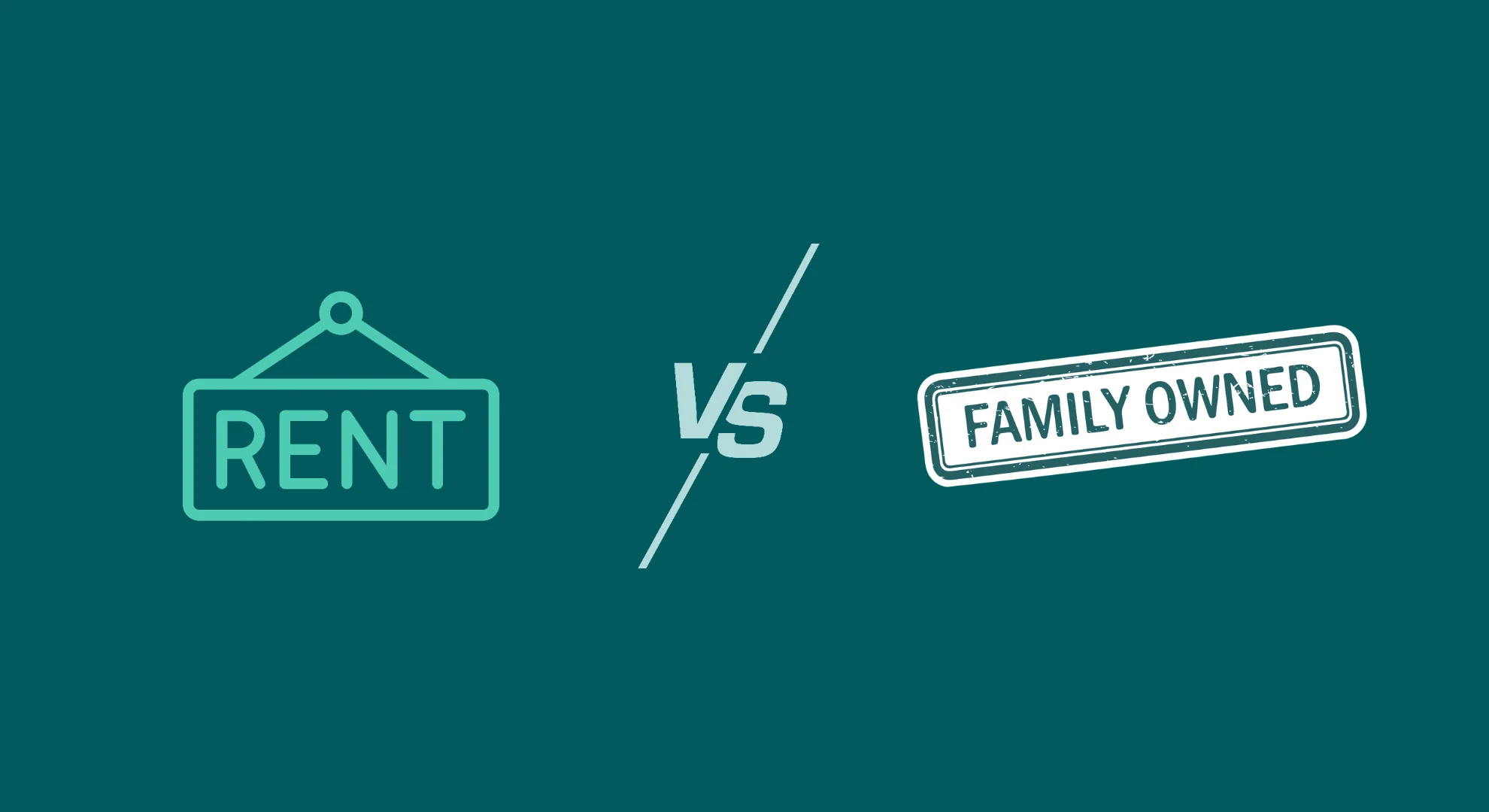
Renting leads means paying a marketplace each time a customer request arrives, often sharing that lead with competitors and losing the customer relationship to the platform. Owning leads means investing in channels you control-your website, Google Business Profile, referrals-so customers find and contact you directly, with no per-lead fee and no middleman.

What Renting Leads Actually Costs Over Twelve Months

When you pay a marketplace like Angi, Thumbtack, or HomeAdvisor for leads, you are renting access to customer requests. The platform charges you each time a homeowner submits a job inquiry, whether you win the work or not. That cost can range from a few dollars to over fifty, depending on your trade and market.

The real expense shows up when you track it over a year. If you pay $25 per lead and receive forty leads a month, that is $1,000 monthly or $12,000 annually. If your close rate on shared leads is around 10 to 15 percent-common when four other contractors receive the same request-you are paying $167 to $250 per closed customer. Add the time spent writing quotes that go nowhere, and the cost climbs higher.

  • Marketplace fees compound quickly: $25 per lead at forty leads monthly equals $12,000 per year
  • Shared leads drive close rates down to 10–15 percent, raising your cost per won job
  • You pay whether you close the work or not, and the platform keeps the customer relationship

Why Shared Leads Hurt Your Close Rate and Profit Margin

Most marketplace leads are shared with three to five other contractors. The homeowner receives multiple bids within minutes, and price becomes the easiest way to compare. You are competing on cost before you have a chance to explain your process, warranty, or track record.

This race to the bottom squeezes margin. If you lower your price to win the bid, you earn less per job. If you hold your price, you lose more bids. Either way, your close rate stays low and your cost per customer stays high. The platform wins regardless because it collects a fee from every contractor who responds.

  • Shared leads create instant price competition with four other businesses
  • Homeowners compare bids side by side, making it hard to differentiate on quality or service
  • Winning on price alone reduces your profit per job and makes growth harder

What Owning Leads Means in Practice

Owning leads means customers find and contact you directly through channels you control: your Google Business Profile, your website, word-of-mouth referrals, or repeat customers. There is no per-lead fee, no shared bid, and no platform between you and the customer.

The tradeoff is time and consistency. A Google Business Profile needs regular posts, photos, and review responses. A website needs pages that show your work in the neighborhoods you serve. Referrals require good service and a simple way for happy customers to send others your way. These channels do not produce instant volume, but they compound. A job page you post today can bring calls months later. A five-star review stays visible for years. Over time, owned channels cost less per customer and close at higher rates because the customer chose you before reaching out.

  • Owned channels include your Google Business Profile, website, referrals, and repeat customers
  • No per-lead fee means your cost per customer drops as volume grows
  • Customers who find you directly close at higher rates because they selected you first

Running the Numbers Side by Side

Compare what you spend on marketplace leads against what it costs to build owned channels. If you pay $1,000 monthly for leads and close 15 percent, you are acquiring about six customers at $167 each. Over twelve months, that is $12,000 for roughly seventy-two customers.

Now consider redirecting half that budget-$500 monthly-to owned channels. You might spend $200 on a simple website that posts each finished job as a new page, $100 on a few Google Ads tests in your top zip codes, and $200 on time to update your Google Business Profile twice a week with photos and posts. These investments build equity. The website keeps working after you stop paying. The profile posts stay visible. Referrals cost nothing beyond good service. After six months, owned channels often deliver a lower cost per customer and a higher close rate because the lead quality improves.

  • Marketplace example: $12,000 per year for seventy-two customers at $167 each
  • Owned-channel example: $6,000 per year building a website, profile presence, and referral system that compounds
  • Owned channels reduce cost per customer over time as the asset base grows

How to Shift Budget Without Losing Volume

You do not need to abandon marketplaces overnight. Start by capping your monthly spend and tracking which leads actually close. If you are paying for forty leads but only closing six, reduce your marketplace budget by 25 percent and redirect that money to one owned channel.

Pick the channel that fits your workflow. If you already take photos of finished work, post them to your website or Google Business Profile. If past customers ask how to refer you, create a simple referral incentive and mention it after every job. If you serve three neighborhoods consistently, write a page for each one showing recent work in that area. Measure results every quarter: cost per lead, close rate, and total customer acquisition cost. Shift more budget to the channel with the lowest cost and highest close rate.

  • Cap marketplace spending and track which leads convert to paying customers
  • Redirect 25 percent of your lead budget to one owned channel that matches your routine
  • Measure cost per customer and close rate quarterly, then move budget toward the best performer

Building a Pipeline You Control

The goal is not to eliminate every paid lead source. It is to reduce dependence on any single channel and own the customer relationship. When a homeowner finds you through your website or profile, you control the conversation. You can explain your process, share past work in their neighborhood, and follow up without competing against four other bids.

Owned channels also let you build a contact list. When a customer calls from your website, you capture their information. When they leave a review on your profile, you can thank them and stay top of mind. Marketplaces keep that relationship; you rent access but never own the customer. Over time, a pipeline you control costs less, closes better, and gives you the option to raise prices without losing all your volume to a platform that prioritizes the lowest bid.

  • Owning the customer relationship means you control follow-up, pricing, and repeat business
  • A contact list from your website or profile lets you market to past customers at no extra cost
  • Reducing platform dependence gives you pricing power and protects margin

Choosing the Right Mix for Your Business

Every business is different. A new pressure-washing company in Austin might need marketplace volume to fill the schedule while building a Google Business Profile and collecting early reviews. An established HVAC contractor in Phoenix with steady referrals might use marketplaces only during slow months and invest the rest in a website that posts every install.

Run the math for your situation. Calculate what you pay per closed customer from each channel, including your time. Compare that to what it would cost to post finished work to a simple website, keep your profile active, or ask happy customers for referrals. The right mix usually includes some rented leads for short-term volume and some owned channels that compound over time. As owned channels grow, you can dial back marketplace spending without losing revenue. Tools like Forxample let you post each job as a new page on your website from your phone, turning the photos you already take into a growing library of work that customers can find months later. It works alongside your Google Business Profile and does not replace it. The key is to start building equity in channels you control, so you are not paying rent on every customer forever.

  • New businesses may need marketplace volume while building owned channels; established businesses can shift budget faster
  • Calculate cost per customer for each channel, including your time writing bids and following up
  • The best strategy combines short-term rented leads with long-term owned channels that reduce cost over time

Frequently asked questions

Can I stop paying for leads completely?

Yes, but it takes time to replace that volume with owned channels. Start by capping marketplace spending, redirecting part of the budget to your website or Google Business Profile, and measuring which channel delivers the lowest cost per customer. As owned channels grow, you can reduce or eliminate marketplace spending.

How long does it take for owned channels to bring in customers?

A Google Business Profile with regular posts and photos can bring calls within weeks. A website that adds pages for each job typically starts appearing in search within days, but building enough volume to replace marketplace leads usually takes three to six months of consistent posting.

What if my close rate on marketplace leads is higher than 15 percent?

If you close 30 percent or more of marketplace leads, your cost per customer is lower and the channel may be worth keeping. Still track total spending and compare it to owned channels. Even a strong marketplace close rate costs more per customer over time than referrals or direct website inquiries.

Do I need a custom website or will a free Google Business Profile work?

A Google Business Profile is essential and free, but posts disappear from the main feed quickly. A website with one page per job keeps that work visible long-term and gives you a destination to send customers. Both work together; the profile brings immediate visibility and the website builds a permanent library of your work.

Try it on your own photo

Post one and see the page it builds.

Start your free trial

Keep reading

Show customers your work.

Post a photo and a short note about a finished job. Forxample turns the update into a page on your website.

You agree to receive Forxample marketing emails.